
SUSTAINABLE ENERGY THAT MAKESENS
Silicon Advantage
Silicon offers a theoretical specific capacity of 4,200 mAh/g
More than
0xgraphite
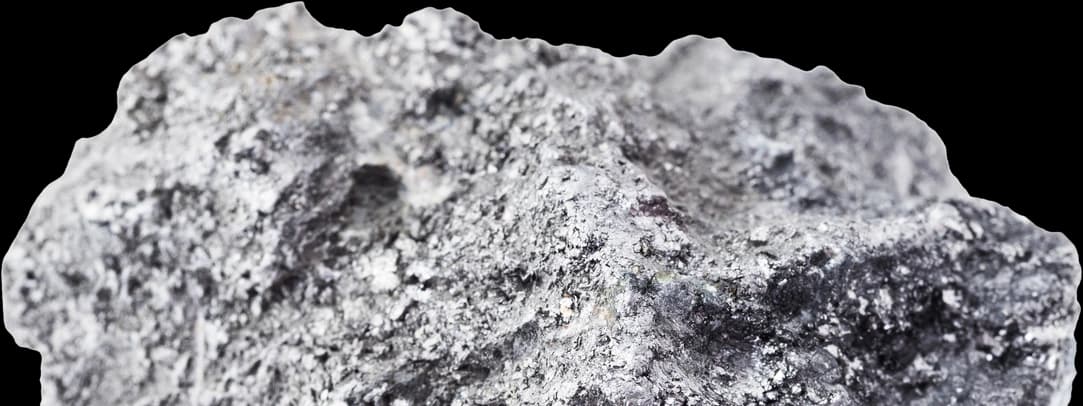
Graphite Anode
Limitations
Restricted Fast-Charging Capability
Graphite’s slow reaction kinetics create a bottleneck for rapid charging, preventing current EVs from achieving fueling times comparable to gasoline vehicles without damaging the battery.
Graphite’s slow reaction kinetics create a bottleneck for rapid charging, preventing current EVs from achieving fueling times comparable to gasoline vehicles without damaging the battery.
Limited Volumetric Energy Density
Beyond weight limitations, graphite’s bulky structure restricts energy per volume to roughly 840 mAh/cm³, preventing the design of compact battery packs that maximize vehicle interior space.
Beyond weight limitations, graphite’s bulky structure restricts energy per volume to roughly 840 mAh/cm³, preventing the design of compact battery packs that maximize vehicle interior space.
Constrained Power Output
The complex diffusion pathways within graphite’s layered structure limit how quickly energy can be released, hindering the high-power bursts required for rapid acceleration or heavy-duty applications.
The complex diffusion pathways within graphite’s layered structure limit how quickly energy can be released, hindering the high-power bursts required for rapid acceleration or heavy-duty applications.

Silicon Challenges
While silicon offers superior energy density, its adoption faces significant physical hurdles that require advanced engineering solutions.
Volumetric Expansion
Silicon expands up to 300% during lithiation, causing particle cracking and loss of electrical contact.
Rapid Degradation
Mechanical stress and SEI instability result in quick capacity loss over multiple cycles.
Unstable SEI Layer
Repeated expansion disrupts the SEI layer, leading to capacity fade and poor battery longevity.
Our Solution
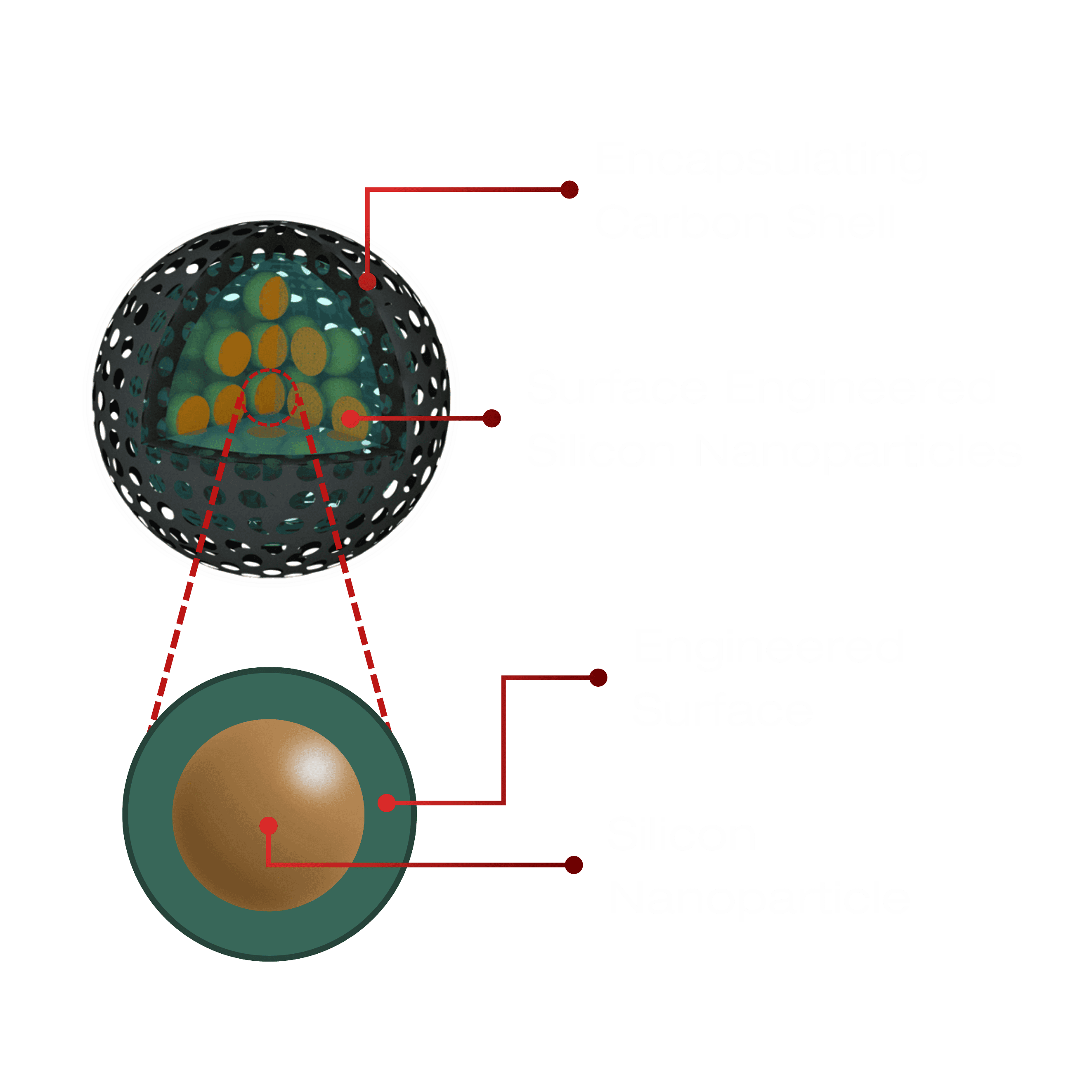
Our proprietary silicon-based anode is engineered to address silicon's key challenges

Made from Recycled Materials
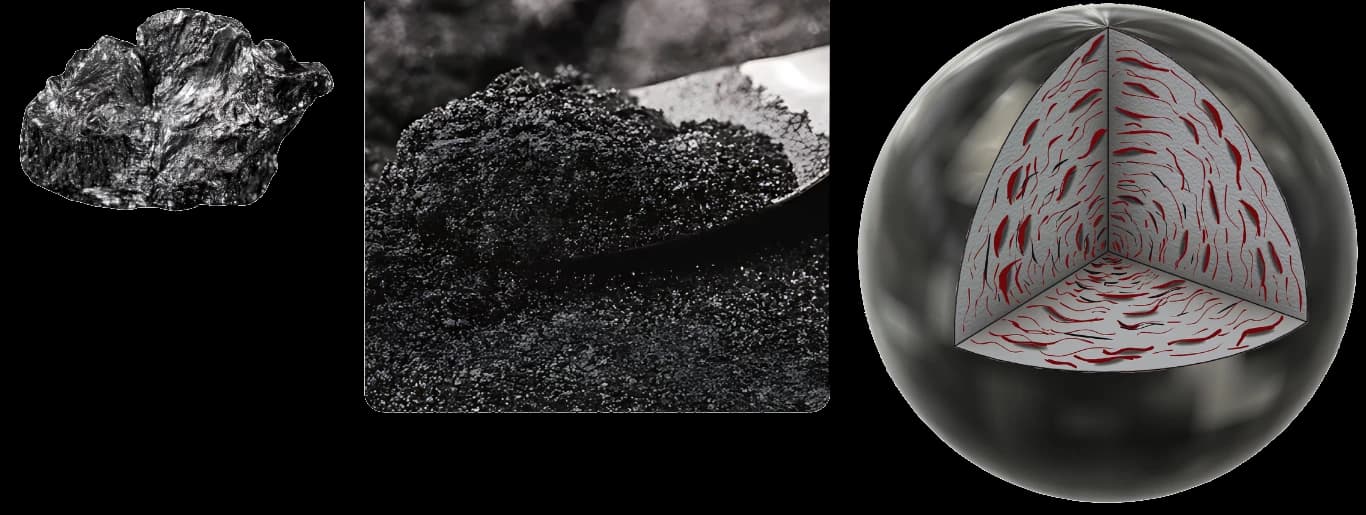
MakeSens technology enabled low-cost Industrial Byproducts as raw materials for high-performance battery materials.
Lower Use of Cathode Materials
MakeSens solved silicon anode's inherent challenge by increasing Initial Columbic Efficiency, reducing the need for expensive cathode materials.
Readily Applicable
MakeSens silicon anode is readily applicable to existing battery manufacturing process without altering manufacturing line.
Our innovative silicon anode technology enhances battery performance by up to 140%
Design Comparison
Conventional Design
Graphite Anode
- 372 mAh/g (Theoretical)
- 320 mAh/g (Practical)
- Slow charging, low power
MakeSens Design
Silicon Anode
- 1,500 mAh/g
- Fast Charging

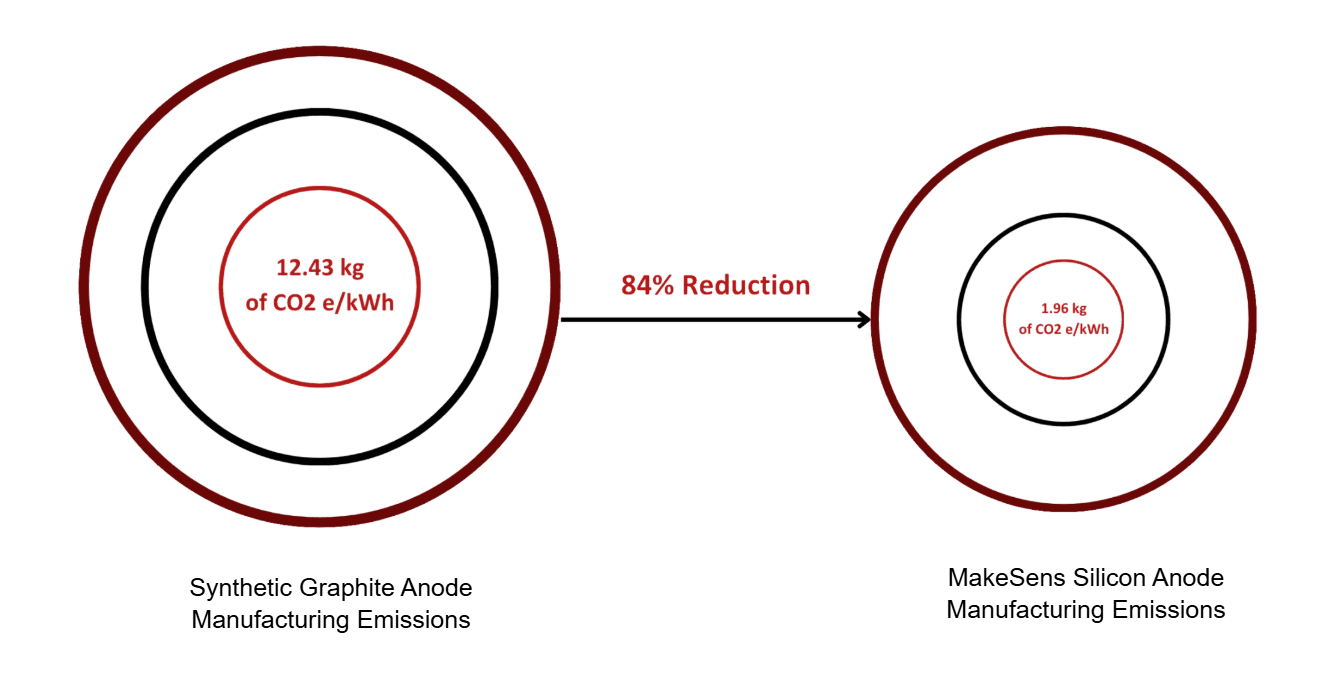
LOWERING MANUFACTURING EMISSIONS
Our silicon anode significantly reduces greenhouse gas (GHG) emissions compared to traditional materials used in battery production
Silicon Anode
Applications
Electric Vehicles
Drones
Consumer Electronics
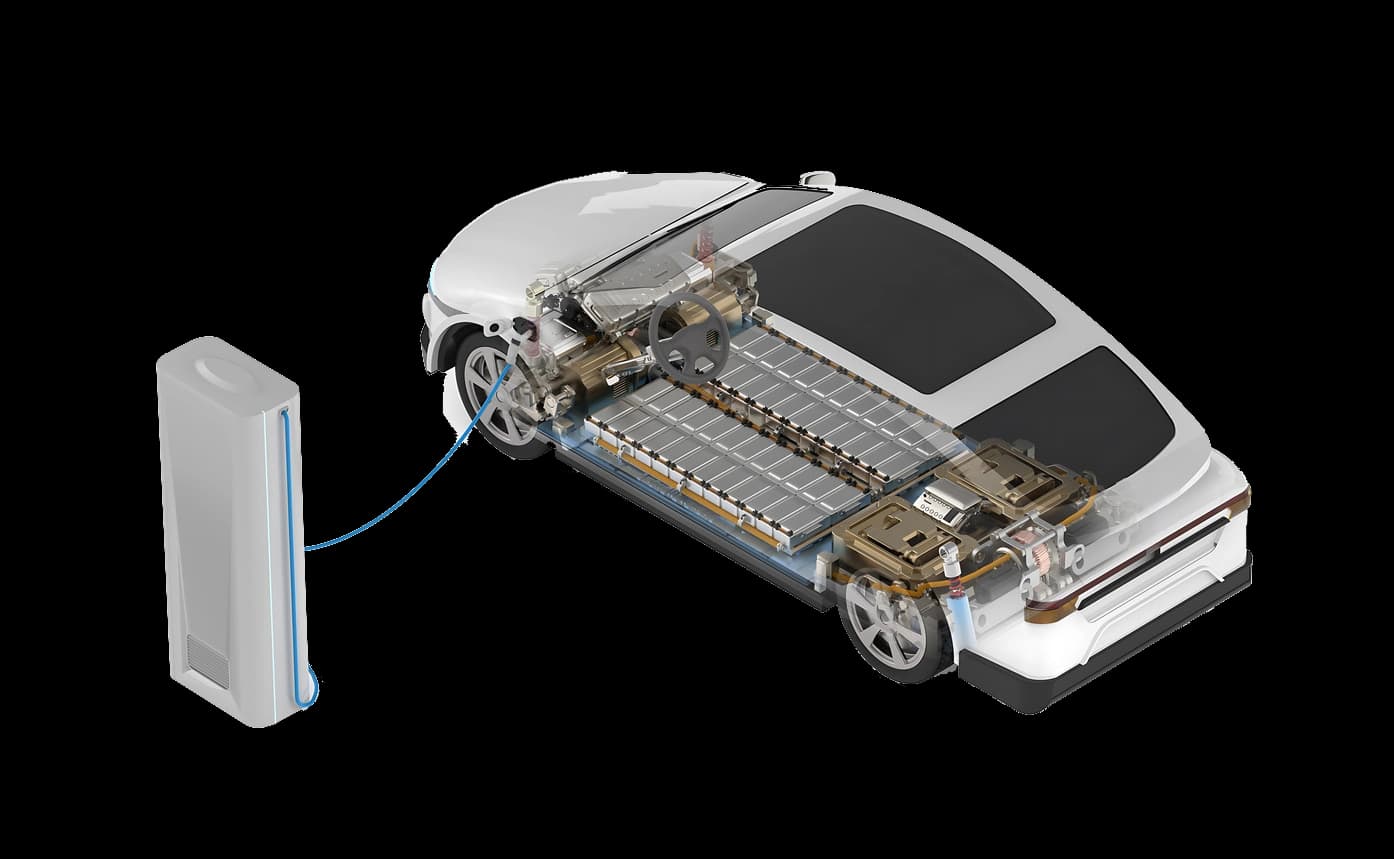
By addressing the volumetric expansion issues of silicon during charge-discharge cycles, our technology ensures stable performance and higher energy capacity.
This results in improved battery performance, longer driving ranges, and greater reliability for EVs and other applications.
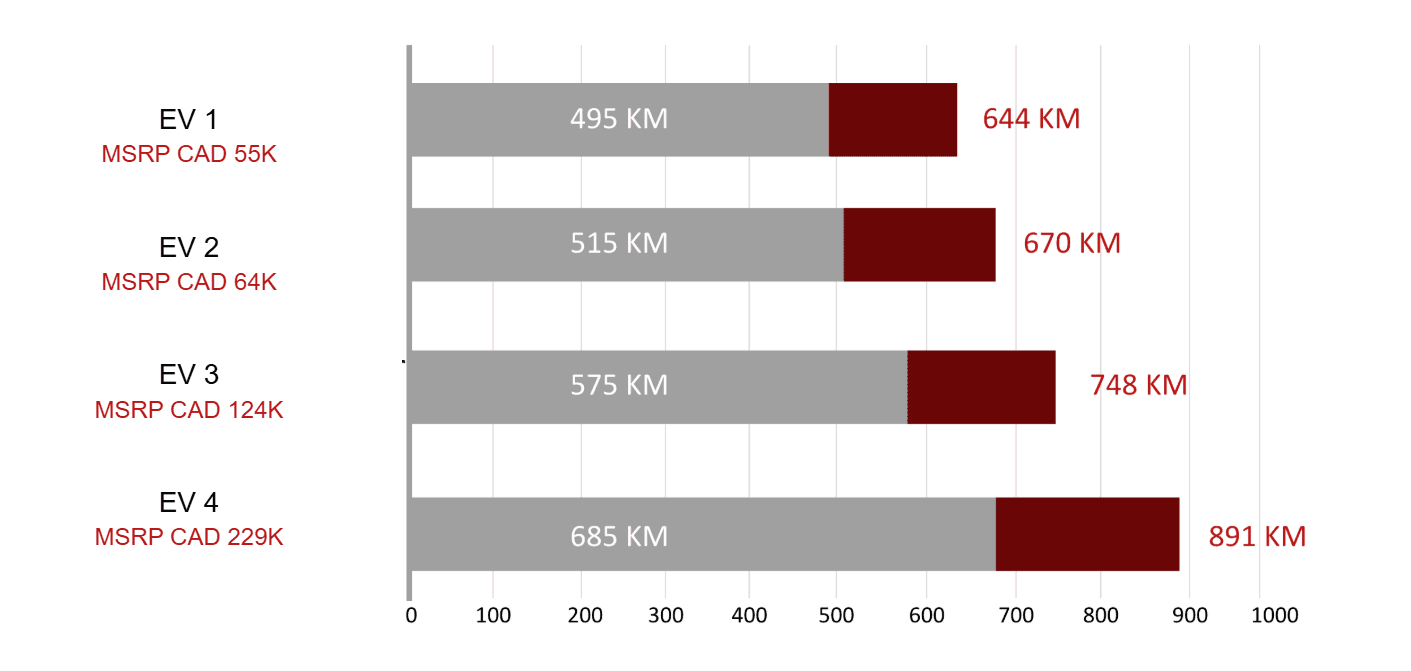
Achieve luxury-tier range in economy EVs
By incorporating just 10% of our advanced material, economical EV options can achieve driving ranges comparable to current luxury vehicles, providing a cost-effective solution for enhanced performance.
MakeSens Technology Overview
At MakeSens, we are dedicated to advancing our research and development to continually enhance the efficiency and sustainability of our products. Our commitment to ongoing innovation drives us to set new industry standards in energy-efficient battery production.